
Design-in and go-to-market
Turning technical advantages into market position—before the purchase order.
M3Tech.ai works with silicon, liquid cooling, power, OEM/ODM platforms, compute and data center companies on getting a new technology spec’d into market for successful platform sales.
What we work on
Four layers, and the seams between them
Zero Trust AI Compute
- Secure Execution
- Runtime Observability
- Tenant Isolation
- Continuous Assurance
The trust layer across AI infrastructure.
Know what executes, observe what runs, and isolate workloads across shared AI infrastructure.
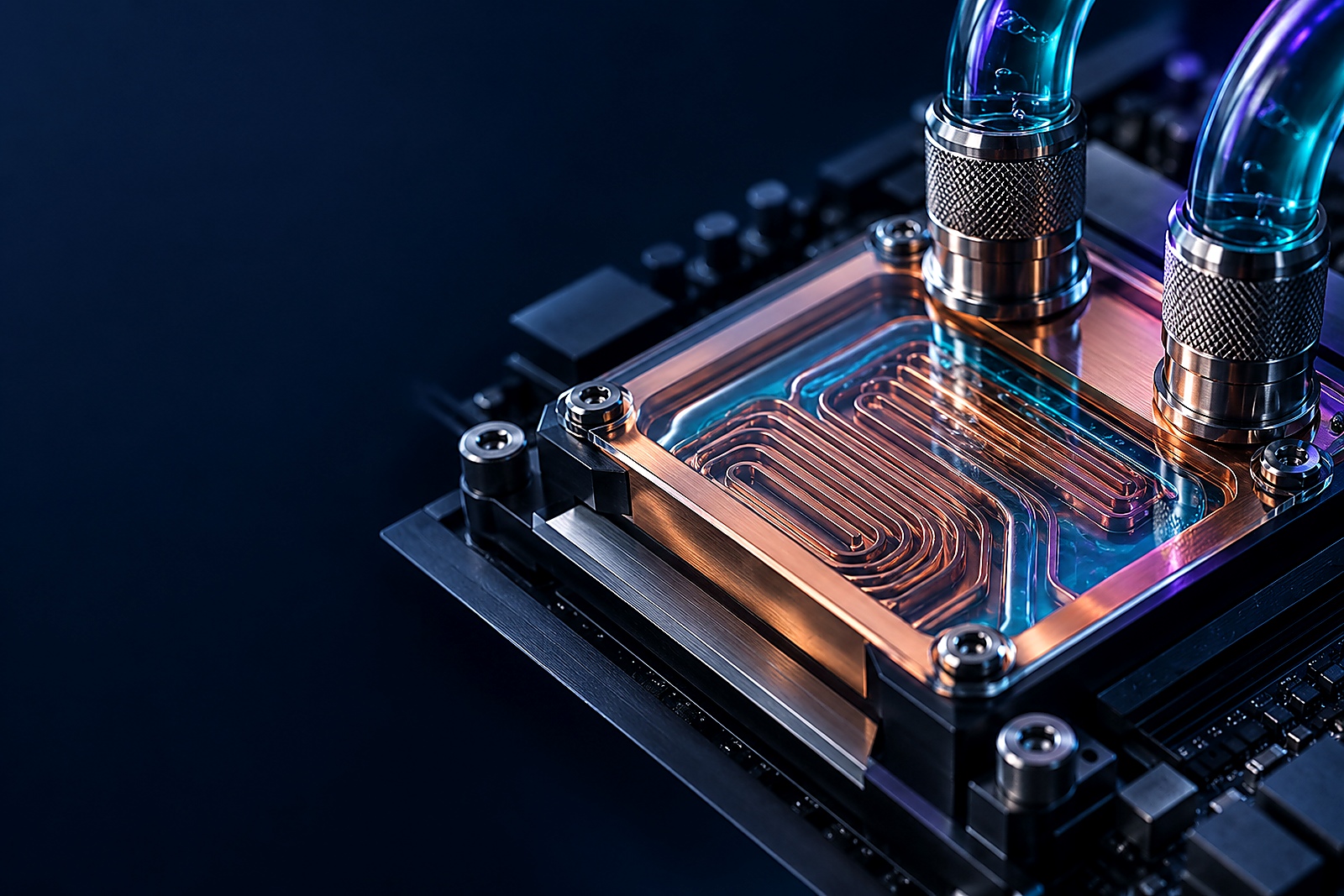
Thermal
Cold plate to facility
Direct-to-chip, fluid-to-die and in-package cooling.
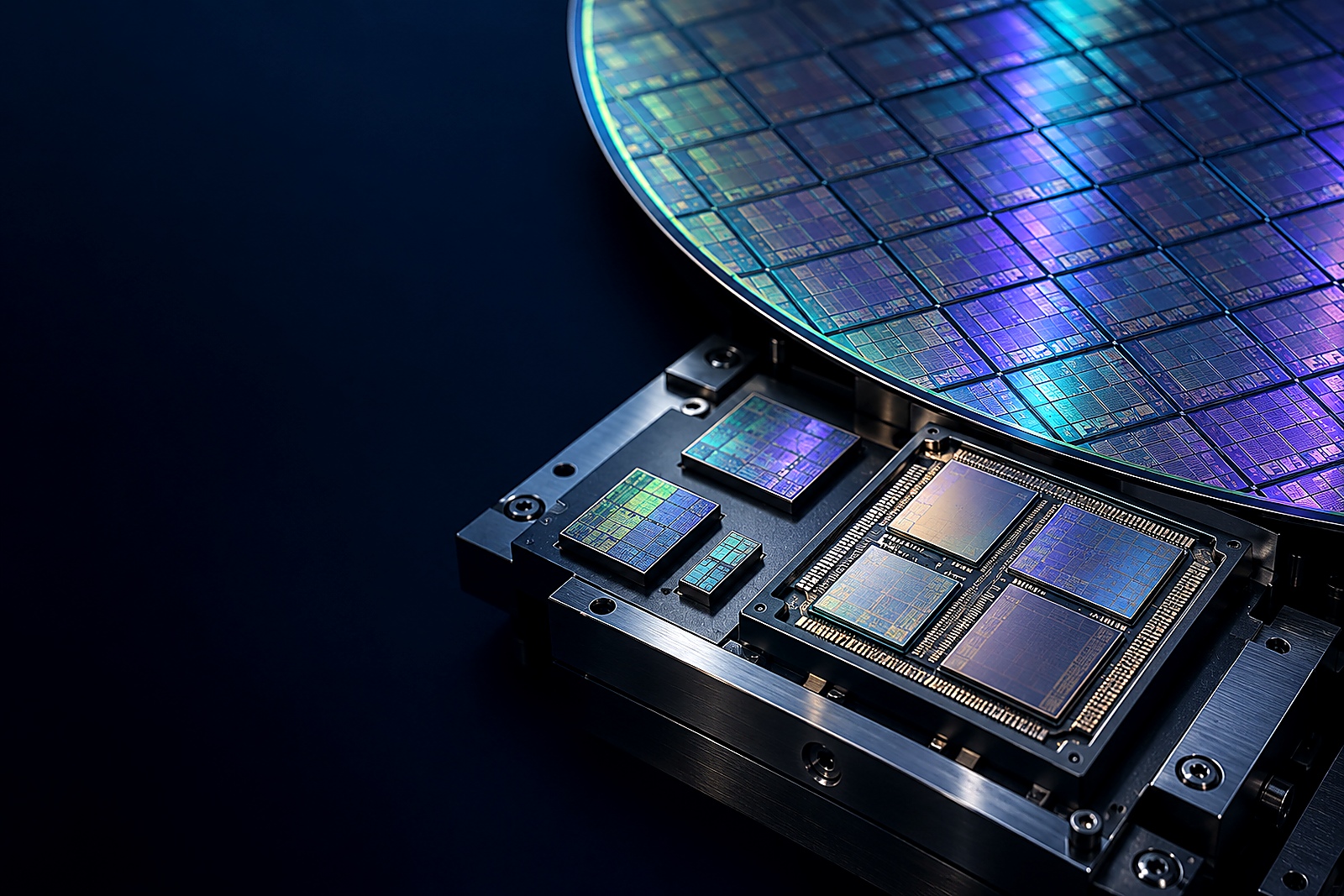
Silicon
OEM, custom and packaged
Merchant accelerators and rack-scale reference architectures.
Platforms
OEM, ODM and channel
Tier-one server OEMs, specialized platforms, integrators and distribution.
 alt=”Aerial view of a data center campus at dusk” loading=”lazy”>
Power and site
Interconnect to controls
Next-generation power and interconnect, behind the meter.
Our method
A design-in has not advanced because a meeting went well. It has advanced when the deliverable exists.
Engagements
Four ways to work together
Each one scoped to produce deliverables on a schedule rather than activity in a report.
Design-in program
The practice carries the architecture-layer relationships a small commercial team cannot cover — silicon vendors, platform OEMs, rack integrators, advanced packaging — and runs them against a gated pipeline alongside your engineering team.
Go-to-market build
For a company hiring its first commercial leader, entering a new buyer layer, or replacing a motion that produces meetings but no gates. The output is an operating system a new seller can run on day one.
Target and access diagnostic
The fastest way to establish whether a commercial problem is coverage, product or timing. Eighty to a hundred named design-in targets scored on the four variables that predict a win, delivered as a working model your team can re-score rather than a slide nobody opens twice.
Advisory and consultation
For investors, corporate strategy teams and research networks who need an operating view rather than an analyst view.
Perspective
Featured writing
Working notes on how value moves through the AI infrastructure stack. Each one ends with the strongest argument against itself.

Note
The binding constraint moves every fifteen years, and margin follows it
Whoever solves the scarce resource holds the pricing power. The scarce resource keeps changing, and commercial organizations are slow to follow it.

Note
The reference design is the first gate now, not the OEM
Component sellers still organize around server OEMs, because that is where the purchase order comes from. The decision moved upstream and most commercial teams have not followed it.
Note
Thermal’s next problem is uniformity, not capacity
Almost all thermal marketing is a capacity argument. As packages become mixed assemblies of logic, memory and optics, the binding requirement becomes the spread rather than the total.